Table of Contents
If you want your woodturning projects to look professional and last for years, drying your wood properly is a must. Moisture in wood can cause cracks, warping, and other issues that ruin your hard work.
But how exactly do you dry wood for wood turning without risking damage or wasting time? In this guide, you’ll discover simple, effective methods to dry your wood safely, whether you’re working with small blanks or larger pieces. By following these steps, you’ll improve your results and enjoy the satisfaction of creating smooth, stable woodturning pieces every time.
Keep reading to unlock the secrets of perfect wood drying tailored just for your craft.
Wood Moisture And Its Role
Understanding wood moisture is crucial before you start drying wood for turning. Wood contains water in two forms: free water inside the cell cavities and bound water within the cell walls. Removing the right amount of moisture ensures your wood stays stable, avoids cracks, and turns smoothly on your lathe.
I once rushed into turning a green bowl blank straight from the log. The wood looked solid but had high moisture content. As I worked, the piece developed cracks and warped badly. That experience taught me how important it is to control moisture before turning.
Ideal Moisture Levels For Turning
Wood for turning should ideally have a moisture content between 6% and 12%. This range gives you a good balance between workability and stability. Wood that is too wet will be soft and prone to cracking as it dries further, while overly dry wood can be brittle and harder to shape.
Different wood species may vary slightly in their ideal moisture levels. For example, hardwoods like maple or walnut often do better closer to 6-8%, while softer woods can handle slightly higher moisture. Always check what works best for your specific wood type.
How To Measure Moisture Content
Using a moisture meter is the most reliable way to check your wood’s moisture content. These handheld devices can give you a quick and accurate reading by inserting pins into the wood or using a non-invasive sensor on the surface.
If you don’t have a moisture meter, you can try the weight method: weigh the wood, dry it completely in an oven or kiln, then weigh it again. The difference helps estimate moisture content, but it’s time-consuming and less precise.
- Pin-type meter: Measures electrical resistance between two pins inserted into the wood.
- Pinless meter: Uses electromagnetic signals and doesn’t damage the wood’s surface.
Do you have a moisture meter yet? Investing in one can save you hours of guesswork and prevent costly mistakes in your turning projects.

Credit: www.reddit.com
Air Drying Techniques
Air drying wood is a simple and natural way to prepare wood for turning. This method uses slow evaporation of moisture over time. It helps reduce cracks and warping. Proper air drying keeps the wood stable and ready for crafting. Success depends on careful selection, stacking, and monitoring of the wood.
Selecting And Preparing Wood
Choose fresh, healthy wood without signs of rot or insect damage. Cut wood into manageable sizes for your project. Remove bark to allow moisture to escape more easily. Seal the ends with wax or paint to slow moisture loss and prevent cracking. Label each piece with the date of cutting for tracking.
Proper Stacking And Storage
Stack wood off the ground on a flat surface. Use stickers—thin wooden strips—between layers to allow air circulation. Keep stacks covered on top to protect from rain. Leave the sides open for airflow. Store wood in a shaded, dry place with good ventilation to avoid mold and mildew.
Duration And Monitoring
Air drying takes weeks to months depending on wood thickness and type. A general rule is one year per inch of thickness. Check moisture content regularly with a moisture meter. Look for cracks or mold growth during drying. Rotate wood pieces occasionally to promote even drying and prevent warping.
Paper Bag And Shavings Method
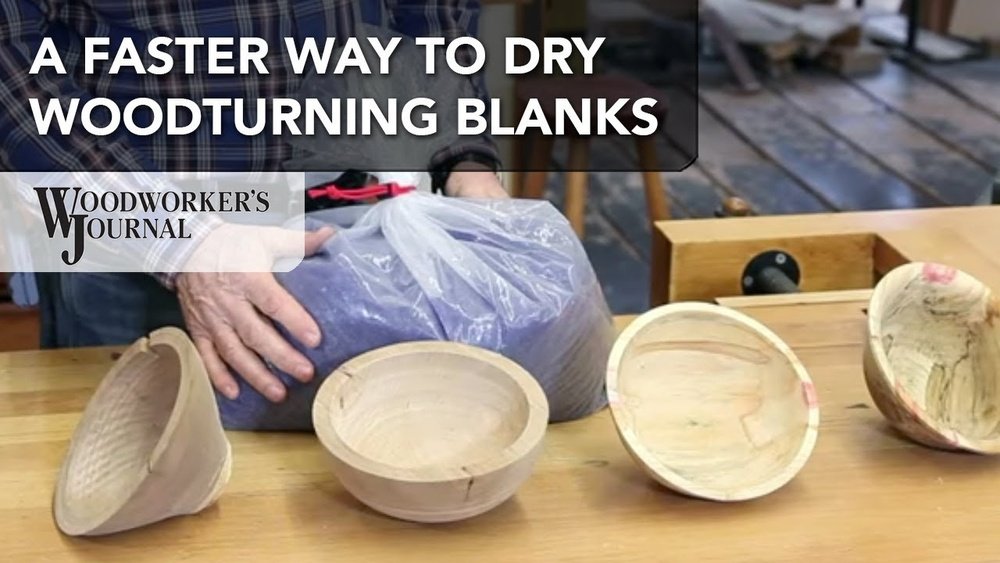
The Paper Bag and Shavings Method is a simple way to dry wood for turning. It helps slow the drying process, reducing cracks and splits. This method uses common materials and works well for smaller wood blanks. The wood is wrapped in shavings, then placed inside a paper bag. This setup keeps moisture balanced and protects the wood from drying too fast.
Setting Up The Bag
Start by selecting dry wood shavings. Avoid sawdust as it can trap too much moisture. Wrap the wood blank in a thick layer of shavings. Place the wrapped wood inside a clean paper bag. Fold the bag’s top to close it but leave some air inside. Store the bag in a cool, dry place away from direct sunlight.
Maintaining Moisture Balance
The shavings absorb excess moisture from the wood. They also release moisture slowly back to the wood as needed. This slows drying and helps prevent cracks. Check the shavings regularly. If they feel damp, replace them with dry shavings. This keeps the moisture level steady around the wood.
When To Check And Weigh
Weigh the wood blank before placing it in the bag. Check the weight every week or two. A stable weight means the wood is drying evenly. If the weight drops too fast, add more shavings to slow drying. Once the weight stops changing, the wood is ready for turning.

Credit: www.youtube.com
Sealing Wood Ends
Sealing the ends of wood is a critical step in drying wood for wood turning. Wood loses moisture fastest through its end grain. This causes uneven drying and often leads to cracks or splits. Sealing wood ends slows down moisture loss. It helps the wood dry more evenly and reduces damage.
Proper sealing protects your wood blanks and improves the quality of your final piece. It is an easy and effective way to control drying. Let’s explore the purpose of sealing, common sealants, and how to apply them correctly.
Purpose Of End Grain Sealing
Wood dries faster through its end grain than its sides. This rapid moisture loss causes cracks. Sealing the ends slows down drying at these points. It balances moisture loss across the wood piece. This prevents cracking and splitting during drying. Sealing also helps maintain the wood’s shape. It keeps the wood stable and ready for turning.
Common Sealants To Use
Several sealants work well for sealing wood ends. Wax is a popular choice. It forms a strong barrier against moisture loss. Commercial end grain sealers are available too. They are easy to apply and dry quickly. Paint, shellac, and latex are other options. Choose a sealant that fits your budget and wood type.
Application Tips
Apply sealant soon after cutting the wood. Cover the entire end grain surface evenly. Use a brush or cloth to spread the sealant. Add two or three coats for better protection. Allow each coat to dry before applying the next. Avoid sealing the bark or outer wood layer. Keep the wood stored in a dry, shaded place while drying.
Using A Kitchen Oven For Drying
Using a kitchen oven to dry wood for wood turning is a quick method for small pieces. It helps reduce moisture faster than air drying. This technique works well for thin blanks or small blocks. The oven’s controlled heat speeds up water evaporation inside the wood. Caution is needed to avoid damage or fire risks. Follow careful steps and monitor the process closely.
Step-by-step Oven Drying Process
Start by cutting wood into manageable sizes. Preheat the oven to a low temperature, around 175°F (80°C). Place wood on a baking sheet or wire rack for airflow. Keep the oven door slightly open to let moisture escape. Check the wood every 15 to 20 minutes and turn it for even drying. Drying time varies from 1 to 4 hours depending on thickness. After drying, turn off the oven and leave wood inside to cool slowly.
Precautions And Risks
Oven drying carries risks like cracking and warping due to quick moisture loss. Too high heat can ignite dry wood, especially near heating elements. Oven thermostats may not be accurate, causing overheating. Wood may release strong odors or fumes during heating. Avoid drying large or very wet pieces in the oven. Never leave the oven unattended during the drying process.
Best Practices To Minimize Damage
Use thin wood pieces to reduce drying time and stress. Maintain low, steady heat and avoid sudden temperature changes. Keep the oven door slightly ajar for moisture release. Turn wood regularly for even drying on all sides. Use a reliable thermometer to monitor oven temperature. Let wood cool inside the oven to prevent cracking from fast cooling.
Microwave Drying Method
The microwave drying method offers a fast way to dry small wood pieces for wood turning projects. This technique uses microwave energy to remove moisture quickly from the wood. It is suitable for small blanks or thin pieces that fit inside a microwave. Proper care is essential to avoid damage or safety risks during drying.
Preparing Wood For Microwave Drying
Start by cutting the wood into small, even pieces. Remove any bark or loose material. Wrap the wood in a damp paper towel to keep it from drying too fast. This helps prevent cracking. Place the wrapped wood on a microwave-safe plate. Make sure the wood fits comfortably inside the microwave without touching the walls.
Cycle Settings And Timing
Use the microwave’s defrost or low power setting. Set short intervals of 30 seconds to 1 minute. Check the wood after each cycle to avoid overheating. Rotate or flip the wood to dry evenly. Repeat the process until the wood reaches the desired dryness. Avoid long continuous drying to prevent burns or warping.
Handling Odors And Safety
Wood may release strong odors during drying. Ensure good ventilation in the room. Open windows or use a fan to clear smells quickly. Never leave the microwave unattended during the process. Keep a close eye to prevent sparks or smoke. Allow the wood to cool fully before handling to avoid burns.
Solar Kilns And Other Alternatives
Drying wood properly is crucial for wood turning projects. Solar kilns offer an eco-friendly, cost-effective way to dry wood faster than natural air drying. Besides solar kilns, several alternatives exist to help wood turners control moisture content. These methods vary in complexity, cost, and drying speed. Understanding solar kilns and other options helps woodturners choose the best drying process for their needs.
Benefits Of Solar Kilns
Solar kilns use the sun’s energy to dry wood. They reduce drying time compared to air drying. This method lowers the risk of wood cracking and warping. Solar kilns save money on electricity and fuel. They provide better control over temperature and airflow. The simple design allows easy construction and maintenance. Solar kilns are gentle on wood and environment-friendly.
Building A Simple Solar Kiln
Start with a wooden or metal frame. Cover it with clear plastic or glass to trap heat. Add vents for airflow to remove moisture. Place shelves inside for stacking wood pieces. Position the kiln facing the sun for maximum heat. Monitor temperature and humidity regularly. Adjust vents to keep drying steady. A small fan can improve air circulation if available.
Comparing Drying Methods
Air drying is cheap but slow. Wood can take months or years to dry. Oven drying is faster but risks cracking and fire. Microwave drying suits small pieces but needs care. Solar kilns balance speed, safety, and cost effectively. Commercial kilns dry wood fastest but are expensive. Each method suits different project sizes and budgets.

Credit: turnawoodbowl.com
Preventing Common Drying Issues
Drying wood properly prevents many common issues that affect woodturning projects. Problems like cracks, warping, mold, and internal stresses can ruin the wood’s quality. Careful attention during drying helps keep the wood stable and strong. Use the right techniques to protect your blanks and save time and effort in the workshop.
Avoiding Cracks And Warping
Cracks form when wood dries too fast. Rapid moisture loss causes uneven shrinking. Keep drying slow and steady for best results. Store wood in a cool, shaded area with good airflow. Cover the ends of the blanks with wax or paint. This slows moisture escape and reduces cracking. Rotate the wood regularly to dry evenly and avoid warping. Avoid exposing wood to direct sunlight or heat sources.
Dealing With Mold And Mildew
Wood that stays too wet invites mold and mildew. These fungi damage wood fibers and cause stains. Keep drying areas clean and dry. Ensure good ventilation to limit moisture buildup. Use a fan or dehumidifier in humid climates. Inspect the wood often for any mold growth. Wipe off mold early with a cloth dipped in diluted bleach or vinegar solution. Prevent mold by controlling humidity and maintaining airflow around the wood.
Managing Drying Stresses
Drying stresses occur when the wood’s outer layers dry faster than the core. This causes internal tension and can lead to splits or warping later. To reduce stress, dry wood slowly and evenly. Avoid stacking wood too tightly to allow air circulation. Use stickers, thin wooden strips, between layers to separate pieces. Monitor moisture levels with a moisture meter to track progress. Stop drying once the wood reaches around 10-12% moisture content for turning. Slow and careful drying keeps wood stable and ready for shaping.
Timing Wood Drying For Turning
Timing wood drying is crucial for woodturning success. Drying wood too quickly or too slowly affects its shape and strength. Proper timing prevents cracks and warping during turning. Understanding drying times helps create better finished pieces. Knowing when wood is ready avoids wasted effort and material.
Estimating Drying Time By Thickness
Thicker wood takes longer to dry than thin wood. A rough rule: one year per inch of thickness. For example, a 2-inch thick blank may need about two years. Smaller pieces dry faster, sometimes within months. Always check moisture levels rather than relying only on time.
Signs Wood Is Ready To Turn
Wood ready for turning feels light and dry. It should have a moisture content below 20%. You can use a moisture meter for accuracy. Wood that cracks or feels cold still holds too much moisture. Dry wood often makes a clear tapping sound. Smooth edges and no visible splits show good readiness.
Adjusting Drying Based On Wood Species
Different woods dry at different rates. Hardwoods like oak take longer than softwoods like pine. Dense woods hold moisture deeper inside. Some species dry unevenly and need extra care. Research your wood type to adjust drying time. Proper drying for each species improves turning results and reduces defects.
Frequently Asked Questions
How To Dry Wood For Turning At Home?
Cut wood into blanks, seal ends with wax, then air-dry in a cool, dry place for several months. Alternatively, use a microwave or oven carefully to speed drying. Monitor moisture content below 12% before turning to prevent cracking and warping.
How Dry Should Wood Be For Woodturning?
Wood for woodturning should have a moisture content between 6% and 8%. This ensures stability and reduces cracking during turning. Use a moisture meter to check dryness before starting your project.
Can I Use My Oven As A Kiln To Dry Wood?
You can use a kitchen oven to dry small wood pieces, but it risks cracking, warping, and fire hazards. Oven drying causes uneven moisture loss and possible toxic fumes. Air drying or solar kilns offer safer, more effective wood drying methods.
How Long Should Wood Dry Before Turning?
Wood should dry for at least 6 months to 1 year before turning, reaching 8-12% moisture content. This prevents cracking and warping. Air drying in a shaded, ventilated area works best. For quicker drying, use controlled methods like a kiln or microwave carefully.
Conclusion
Drying wood properly is key to successful wood turning projects. Use safe methods like air drying or solar kilns for best results. Avoid quick drying techniques that cause cracks or warping. Monitor moisture content regularly to ensure wood is ready.
Patience during drying saves time and effort later. Well-dried wood turns easier and lasts longer. Keep your workspace clean and ventilated to help drying. Follow these steps for smooth, high-quality wood turning outcomes every time.
